Thursday, April 25, 2013

IUCN - Raising Seagrass Awareness among Youths in Palk Bay, India


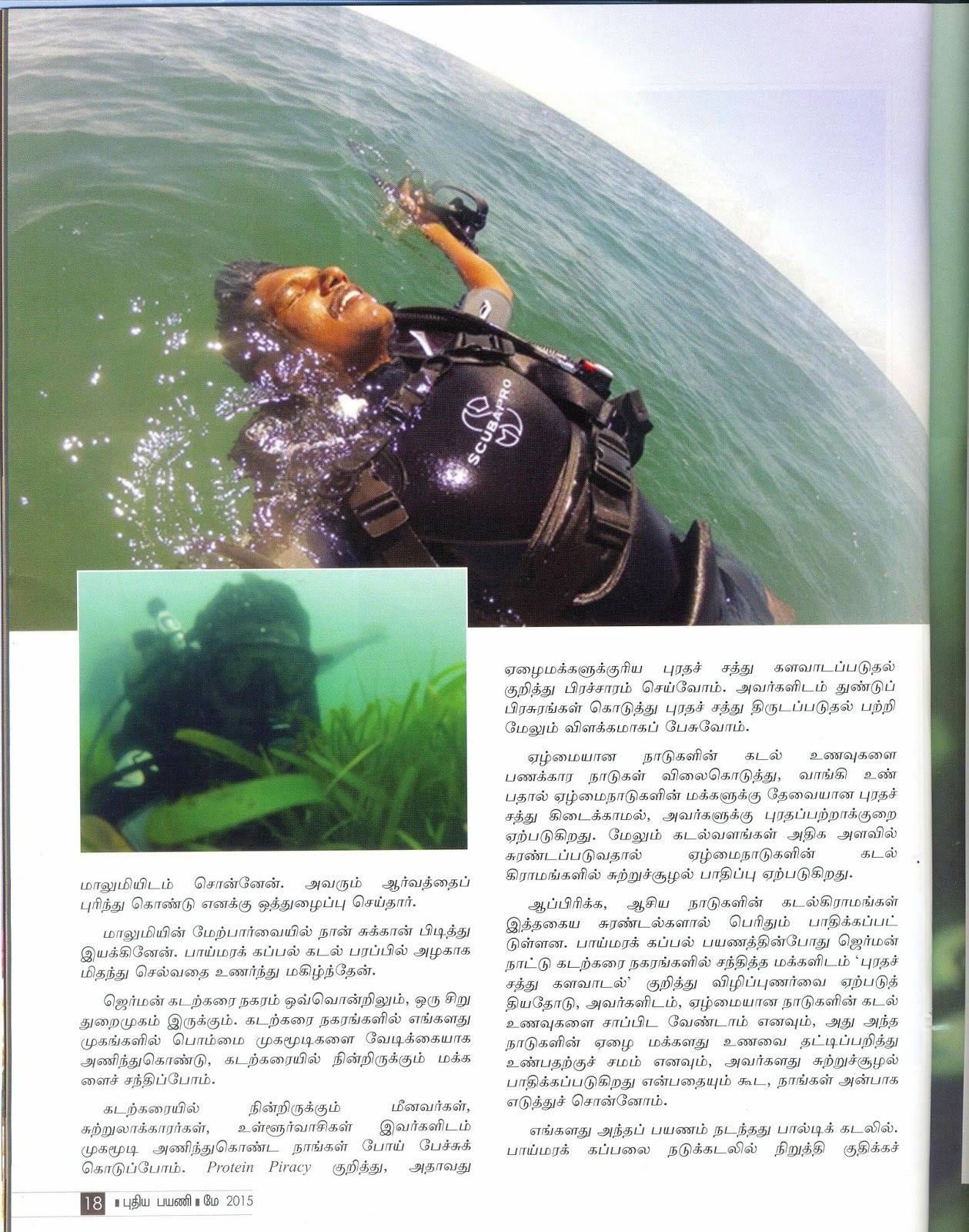
See the kid's face...thrill and enthusiasm while holding my underwater camera few days ago. Why not it can be a lead to a passion in conservation near future?


We initiated an exclusive seagrass awareness in Palk Bay since October 2012. Our team visits local schools and then invite the students to our centre for field trip.
A total number of 2,740 students have attended our events since October 2012 until March 2013. We aimed to reach six thousand students before the end of 2013.
Besides several environmental threats caused to seagrass meadows of Palk Bay due to ignorance, poor law enforcement and globalization, our organization believes that a continuous rapport and commitment in grassroots education and awareness can positively change the present situation. I personally found such enthusiasm and passion among school students to conserve it, after I showed my underwater photographs of local marine life. This positive approach is leading towards a participatory research and insitu conservation plans for not only seagrasses but also to its associated flora and fauna.
Our events are related to CEC (Aichi Target 1: Awareness and Appreciation of Biodiversity).
This news was published in IUCN website.  click here to see IUCN Website

Monday, April 22, 2013

Indo-Pacific humpback Dolphin washed ashore in Palk Bay - இறந்து கரை ஒதுங்கிய அரிய வகை டால்பின்


Villagers of Velivayal informed us about a marine mammal washed ashore on the coast. OMCAR team visited the site at 8.15 am and later informed local forest department, marine police department and media. This village is located in Thanjavur District, Tamil Nadu, India.

The specimen was decayed and the surface was oily. We measured the length of the specimen (nose tip to tail), which was about 8.4 feet. The distance between nose tip and the dorsal fin was 64 cm.  The specimen photos were taken and immediately shared with Marine Mammals Group in Facebook and Yahoo groups to request identification.  Dr. Dipani Sutaria and Dr. Ranil Nanayakkara have identified the dolphin species through yahoo groups immediately.  Additional documents given by Dr. Dipani Sutaria, was printed out in English, and translated in to Tamil was given to local forest department, marine police department, Navy and media in order to create awareness about this species and conservation of its habitat (Palk Bay).

Dr. Veeraselvam, veterinarian doctor working at Thambikottai Government Veterinary Hospital has done insitu necropsy, organized by Tamil Nadu Forest Department.  He found a spine of catfish/ray found inside the lungs. Dr. Veeraselvam stated that the spine found penetrated inside lungs across digestive tract, might be the reason for the death of this animal.  The stomach contents had three numbers of cat fishes, partially digested.  Local villagers stated that these dolphins might be feeding in northern Palk Bay (offshore of Muthupet lagoon), where the muddy bottom habitats catfishes.
  
This is the first time record of this species in Thanajvur District coastal area.  Wide media coverage including printing and visual media has given a good focus to conservation of Palk Bay ecosystems, as it is also a habitat of another marine mammal in addition to porpoises, dugongs and bottle nose dolphins.


அரிய வகை டால்பின் தஞ்சை மாவட்டத்தில் உள்ள வெளிவயல் கிராமத்தில் கரை ஒதுங்கியது இதன் அறிவியல் பெயர் சௌசா சைனன்சிஸ் ஆகும். கரை ஒதுங்கிய இந்த பெண் டால்பினின் நீளம் எட்டரை அடியாகவும், எடை சுமார் 150 கிலோவாகவும் இருந்தது. ஓம்கார் நிறுவனத்திற்கு மீனவர்கள் தந்த தகவலையடுத்து, அந்நிறுவனம் அரசு அதிகாரிகளுக்கு தகவல் தெரிவித்தது .சேது பாவா சத்திரம்  கடலோர காவல் நிலையத்தை காவல் துறையினர், பட்டுக்கோட்டை வனத்துறை அலுவலகத்தை சேர்ந்த வனச்சரகர் கருப்பையா மற்றும் ஓம்கார் பௌண்டேஷன் இயக்குனர் டாக்டர். வே பாலாஜி ஆகியோர் பார்வையிட்டனர். இறந்த விலங்கின் உருவ அமைப்பு, பல் அமைப்பு, துடுப்பின் தோற்றம் போன்றவற்றை ஆய்வு செய்த பின்னர் இதன் வகை கண்டறியப்பட்டது. 

தம்பிகோட்டை மற்றும் அதிராம்பட்டினம் கால்நடை மருத்துவர்களுக்கு தகவல் தெரிவிக்கப்பட்டது. கால் நடை 
மருத்துவர் டாக்டர் வீரசெல்வம், இறந்த டால்பினின் உடலை பிரேத பரிசோதனை செய்து பார்த்தபோது, டால்பினின் நுரையீரல் பகுதியில் திருக்கை/கெழுத்தி  மீனுடைய முள் குத்தியிருப்பது தெரியவந்தது. சுமார் பத்து சென்டி மீட்டர் நீளம் இருந்த இந்த முள் ஆடா திருக்கை போன்ற மீன்களில் காணப்படும் என்று வெளிவயல் மீனவர்கள் கூறினார்கள். எனவே, இந்த டால்பின், திருக்கை அல்லது கெழுத்தி மீன் உண்ணும்போது தாக்கியதால் இறந்திருக்கலாம் என்று கருதப்படுகிறது. இந்த வகை டால்பின்கள், சர்வதேச சுற்றுசூழல் அமைப்பான IUCN, அழியும் நிலைக்கு சென்றுகொண்டு இருக்கும் இனமாக அறிவித்துள்ளது. எனவே, இவ்வகை அரிய கடல் உயிரினங்கள் வாழும் பாக் ஜலசந்தி சுற்றுசூழல் வளத்தை பாதுகாப்பது மிகவும் அவசியமாகும். 

மேலும், இந்த வகை பொதுவாக டால்பின்கள் அதிகபட்சமாக சுமார் 11 அடி வரை நீளமாகவும், 284 கிலோ வரை 
எடை உடையாதாகவும் இருக்கும். இவற்றில் பெண் டால்பின்கள் ஆண் டால்பின்களை விட சிறியதாக காணப்படும். இவற்றின் உடலமைப்பு வேகமாக நீந்துவதற்கேற்ப இரப்பர் போன்று காணப்படும். இதன் முதுகு பகுதியில் உள்ள துடுப்பு மற்ற டால்பின்களை விட சிறியதாகவும், முதுகின் நடுப்பகுதியிலும் அமைந்து இருக்கும். முதுகில் திமில் போன்ற அமைப்பு காணப்படுவது இவற்றை மற்ற டால்பின் வகைகளிலிருந்து வேறுபடுத்த உதவுகிறது. எனவே, இவற்றை ஆங்கிலத்தில் humpback Dolphins - திமில்முதுகு டால்பின்கள் என்று அழைக்கப்படுகின்றன. இவை இந்தியா, சவுத் ஆப்ரிக்கா, சவுத் சீனா, செங்கடல், அரபிக்கடல், வங்காள விரிகுடா, தாய்லாந்து, இந்தோனேசிய மற்றும் ஆஸ்திரேலியாவின் வட மேற்கு பகுதிகளில் கண்டறியப்பட்டுள்ளன.


Spine found penetrated inside the the lung of dead dolphin (இறந்த டால்பின் நுரையிரலில் பாய்ந்து இருந்த திருக்கை /கெழுத்தி முள், இதன் மூலம் டால்பின் இறந்து இருக்கலாம் என்று தெரிகிறது) 
Digested fish found inside the stomach of Dolphin
இறந்த டால்பின் இரைப்பையில் இருந்த பாதி செரிக்கப்பட்ட மீன் 


Veterniary Doctor Veeraselvam Dissecting the animal for post mortem 
கால்நடை மருத்துவர் டாக்டர். வீரசெல்வம் டால்பின் உடலை மருத்துவ கூராய்வு செய்தபோது 

Dissecting Intestine குடல் பகுதி 


Partially digested fish found in stomach 
இரைப்பையில் இருக்கும் பாதி செரிக்கப்பட்ட மீன்கள் 

Spine found inside dolphin's lungs 
டால்பினின் நுரையீரலில் துளைத்த நிலையில் இருக்கும் திருக்கை முள்

The spine of Sting Ray/catfish found in Lung of Dead Dolphin, which might be a reason for its death 
அகற்றப்பட்ட திருக்கை/கெழுத்தி  முள்

The spine was 10cm in length
பத்து சென்டிமீட்டர் நீளமுள்ள திருக்கை முள் விஷத்தன்மை வாய்ந்தது.  இந்த வகை முள் குத்தியதால், பிரபல  வன சாகசகாரர்  ஸ்டீவ் இர்வின் Steve Irwin இறந்து போனார்.


கால்நடை மருத்துவர் மற்றும் வனத்துறையினர் இறந்த டால்பினின் தன்மை பற்றி விவாதிக்கின்றனர்   


OMCAR staffs and villagers  moving the dead dolphin to the shore
இறந்த டால்பின் முதன்முதலில் கண்டரியப்பட்டபோது கரைக்கு நகர்ர்த்தி வரப்படுகிறது 

Dorsal fin with hump - which is peculiar morphological characteristics of this species


Wednesday, April 17, 2013

கடல் தாழைகள் பாதுகாப்பு மற்றும் ஆராய்ச்சி முறைகள் பற்றிய விழிப்புணர்வு நிகழ்வு Seagrass Awareness Event - 14th April 2013

மீனவர்களுடன் கடல் தாழைகள் வளர்ந்துள்ள இடங்களுக்கு கடற்பயணம் 
Riding in Palk Bay with fishers to demonstrate underwater research techniques


கடல் தாழை ஆய்வு முறைகள் பற்றிய விளக்கவுரை 


கிராம குழந்தைகளுடன் களக்கலந்துரையாடல் 


கடலுக்கடியில் வைக்கப்படும் மீன் ஆய்வு கருவியை பற்றி கடற்படை அதிகாரிகளுக்கு விளக்கி கூறுதல் 

கடல் தாழைகளை ஆராய்ச்சி செய்யும் நீரடி ஒலிக்கருவிகளை பற்றி விளக்குதல்  


கடலில் உள்ள மிதவை உயிரிகளை காண வரிசையில் நிற்கும் சிறார்கள் 

Tuesday, April 9, 2013

Conservation Benefits Community


Conservation Benefits Community

      Any kind of coastal ecosystem restoration can be successful, only if it can support sustainable livelihood of local community by potentially contributing.  Our pilot mangrove restoration sites have proved that crab population increased with the increase of mangrove cover in restoration sites.  However, not all our coastal community in Palk Bay directly depends on mangrove associated fishery along the coast.  Mangrove assoicated fishery is more common in the villages around Muthupet Mangrove Reserve forest.  

There is a small population of tribal community living adjacent to our mangrove restoration site, have been catching mangrove crabs, shrimps and fishes.  They have no complex, expensive fishing gears and crafts.  Both men and women do fishing in creeks and mangrove swamp.  Women used to sit in the muddy mangrove waters to catch shrimps by hands, while men dig pit to catch crabs.  Similarly people living in the villages behind the coastal area, used to visit the mangroves and salt marsh lands to catch crabs.

After a few years of developing our pilot mangrove restoration sites, our sites now become one of the favorite place for crab catchers, who some times break our fences.  However, we do appreciate to catch crabs from our restoration sites, without damaging mangroves and seedlings.

Some info about crabs from wikipedia...

Mangrove crabs are crabs that live among mangroves, and may belong to many different species and even families. They have been shown to be ecologically significant in many ways. They keep much of the energy within the forest by burying and consuming leaf litter. Along with burrowing in the ground, this crustacean can climb trees to protect itself. The Hermit crab and the Mangrove crab are the only crustaceans that can climb trees as a defense mechanism. Furthermore, their feces may form the basis of a coprophagous food chain contributing to mangrove secondary production.  Mangrove crab larvae are the major source of food for juvenile fish inhabiting the adjacent waterways, indicating that crabs also help nearshore fisheries. 

In OMCAR restoration sites, we have conducted a study to count the number of crab holes using transects.  Our study proved that number of crab holes were abundant adjacent to mangrove trees and under their canopy, and species of crabs are also different between mangrove and non mangrove area.  

Scylla serrata (mud crab) is one of the highly valued product in international market, that provides a good economic support to small scale fishers living around mangroves.  This crab is called as thillai nandu or samba nandu in Tamil.  This crab has a dark green coloured shell, to hide itself behind mangroves.  


Friday, March 8, 2013

A day along the coast....

On 4th March 2013, we travelled in our new boat from Nagappattinam to Mallipattinam (~ 100km). 33 foot sized boat was flying upto its half of its length while crossing the surf zone. 

I was curious to drive our boat, a childhood dream. Enjoyed waves, swells and strong currents close to Point calimere). We saw dolphins playing very close to the shore in Point Calimere, a dead turtle floating in the middle of ocean current, schools of fishes.

And we ran out of both main and reserved fuel offshore of Muthupet lagoon. So, we enjoyed sunset with some marine birds (later mosquitoes from mangroves). And got additional fuel from our friends in night.

We did not prepared with lights as our plan was to raid in day time along the coast, but we finally ended up to complete last 22 km in late night.

So, we decided to go straight line instead of along the coast to reduce distance and time.

One of us, sat at the front watching any dark objects (other boats) to change our directions. Trawlers boats were strong, bigger with good lights. They could not see our boat, so every time we had to zig zag among crowd of trawelers boats in some places (note: trawlers are not allowed to operate there). My GPS helped to orient to our destination.

Finally, this adventurous day showed how we have to prepare well for long boat travels.

:-)
 Floating dead turtle 


On the way.... 


 just launched into the water....


 Sunset during the travel...


 Marine Birds in Point Calimere


Splashing water in top speed

Wednesday, January 16, 2013

Bomb Fishing Threatens Palk Bay Aritifical Reefs!


We dived in Palk Bay at two different sites of artificial reefs and seagrass beds to study the associated fish assemblages in the last few days (January 2013).  Day before yesterday, I was diving with an underwater camera for taking photographs of fishes around artificial reefs located about 7 km from Sethubhavachattiram fishing port, Thanjavur District, Tamil Nadu.

Artificial reefs are the concrete blocks laid by Tamil Nadu Fishery Department in 2006-2007 period.  These concrete blocks are serving like a reef that provide a physical complex hiding spot for a variety of fishes and also a favorite hunting ground for carnivorous fishes.

I suddenly found the freshly broaken cement blocks and debris of artificial reefs, surrounded by hundreds of dead fishes on the sea floor.  The dead fishes were already consumed by other fishes and marine insects, which showed that there might be bomb fishing just about 24 hours ago.  We also found a plastic tube containing a paste, our local fisher told that it is used for exploding bombs underwater. 

Bomb fishing is one of the brutal methods that destroys whole ecosystems in southern Palk Bay, as well as kills all the young fishes, non target animals.  A fisher can collect less than 10% of killed fishes in a blast.

 Local fishers in Thanjavur district don’t do bomb fishing, however fishers from Ramnad District particularly Thirupalakudi and Thondi areas are known bomb fishing.  They usually construct a 5m wide shadow using terrestrial plants, and float it on the surface of water in the middle of the sea for about one week.  After confirming the assemblages of fishes that are attracted by this FAD (Fish Attracting Device), they throw the bomb that kills every fish.

But, in our case there is a question, how a team of fishers living about 150km away from the aritificial reefs (located 7km offshore) can exactly know this place.  A local fisher told that the bomb fishers use GPS to come to this place. 

However, without knowing its exact waypoint, they cannot reach this place with GPS!  The local fisher also added GPS points of all the artificial reefs in Palk Bay were sold to the bomb fishing fishers.

We informed local fishery department and marine police about this matter.

It is sad that the good effort of our Government to increase fishery productivity in Palk Bay is under the threat now.  We still don’t know what happened to other artificial reefs in Palk Bay.  It is urgent to stop bomb fishing in Palk Bay that has been destroying seagrass beds and now artificial reefs also.  

Conservation of local breeding habitats is the only way to ensure safety for Tamil Nadu fishers, who don’t need to go for long distances.  If we forget to intensively restore the nearshore marine resources by controlling illegal fishing methods, number of boats and fishery areas, there will be no hope to stop cross border fishing issues in Palk Bay.

Please see some photos from the field...
Article written by
Dr.V.Balaji  

Tuesday, January 15, 2013

வெடிகுண்டு மீன்பிடி...என்ன செய்ய போகிறோம் நாம்?

நேற்று,  தஞ்சை மாவட்டத்தில் உள்ள சேது பாவா சத்திரம் மீன்பிடி தளத்தில் இருந்து, செயற்கை பவளப்பாறைளில் உள்ள மீன் இனங்களை ஆய்வு செய்ய எனது குழுவினருடன் சென்றேன்.

நாங்கள் ஆய்வு செய்ய வேண்டிய செயற்கை பவள பாறைகள், தமிழக அரசின் மீன்வளத்துறை மூலமாக கடந்த 2006-07 வருடங்களில் போடப்பட்டது.  செயற்கை பவளப்பாறைகள் என்பவை கான்கீரிட் கொண்டு கட்டப்பட்ட பல்வேறு வடிவங்களை கொண்ட (முக்கோணம், வட்டம் மற்றும் செவ்வகம்) வார்ப்புகளாகும்.

 மீன் கூட்டங்கள் செயற்கை பவளப்பாறைகளை சுற்றி நீந்தி வரும் காட்சி, 
இடம்: சேது பாவா சத்திரம் கடற்பகுதி , தஞ்சை மாவட்டம். 

 தாக்க வரும் பெரிய மீன்களிளிருந்து இந்த மீன்கள் பாதுகாப்பாக இங்கு ஒளிந்து கொள்கின்றன 


இந்த வார்ப்புகள் கடலில் போடப்படுவதால், பவளப்பாறைகளை போன்று ஒரு  பாதுகாப்பான மறைவிடத்தை ஏற்படுத்துகின்றன.  இங்கு வந்து முட்டையிட்டு, இனப்பெருக்கம் செய்யவும், இங்கு நிரந்தரமாக வாசிக்கவும் வேகமாக நீந்தாத சிலவகை மீன்கள் வந்து குழுமுகின்றன.  இவற்றை உண்பதற்காக மற்ற பெரிய மீன்கள் இங்கு வந்து செல்கின்றன.  எனவே, ஒரு சிறிய மீன் நகரமாக சில வருடங்களில் இந்த செயற்கை பவளப்பாறைகள் உருவாகி விடுகின்றன.    இந்த செயற்கை பவளப்பாறைகளில் மீன்பிடித்தொழில் செய்வது மீன்வலத்துறையால் தடை செய்யப்பட்டுள்ளது.  ஆனாலும், சிறு மீன் பிடி தொழில் செய்யும் மீனவர்கள், தூண்டில் மூலமாகவோ அல்லது கடலுக்குள் மூச்சை பிடித்து இறங்கியோ மீன்களை பிடிப்பதால் இந்த செயற்கை பவளப்பாறைகளில் பாதிப்பு ஏற்படுவதில்லை.

நீரடி சுவாச கருவிகளுடன் சுமார் இரண்டு மணி நேரத்திற்கும் மேலாக எங்கள் ஆய்வு நடைபெற்றது.  ஒரு ஒழுங்கற்ற அமைப்பில் கடலுக்குள் வீசப்பட்ட இந்த கான்கிரிட் வார்ப்புகள், சில இடங்களில் குவியலாகவும், சில இடங்களில் தனித்தனியாகவும் கடலடியில் பரவலாக இருந்ததை காண முடிந்தது. சில மீட்டர்கள் மட்டுமே நீருக்கடியில் பார்க்க முடிந்ததால், மெதுவாக நீந்தி சென்று ஒவ்வொரு காங்கிரிட் பிளாக்கையும் பார்த்து சென்று கொண்டு இருந்தேன்.

கடலடியில்  புகைப்படங்களை எடுத்து  கொண்டு இருந்தபோது, திடிரென ஒரு இடத்திலிருந்து செயற்கை பவளப்பாறைகள் நொறுங்கி கிடந்ததையும், அந்த இடத்தை சுற்றி இறந்த மீன்கள் சிதறி கிடப்பதையும் கண்டேன்.  நொறுங்கிய கான்கிரிட் துணுக்குகளை எடுத்து பார்த்தபோது, அவை புதியதாக உடைப்பட்டது போன்று தோற்றமளித்தன.

இங்குள்ள மீனவர்களை கேட்டதில், வேறு மாவட்டங்களை சேர்ந்த மீனவர்கள் இங்கு வந்து செயற்கை பவளப்பாறைகளை குறிவைத்து நாட்டு வெடிகுண்டுகளை வீசி, எல்லா மீன்களையும் அள்ளி சென்று விடுவதாக கூறினார்கள்.  மீன்பிடி முறைகளில், மிக மோசமாக பாதிப்பை ஏற்படுத்தும் இந்த முறையில், சுமார் பத்து சதவீத மீன்களை பிடிப்பதற்காக 90% மீன்கள் கொல்லப்படுகின்றன.


வெடிகுண்டு வீசப்பட்ட இடத்தை சுற்றி சிதறிகிடக்கும் செயற்கை பவளப்பாறை துகள்களும், அதில் வசித்த மீன்களும் .  இடம்: சேது பாவா சத்திரம் கடற்பகுதி , தஞ்சை மாவட்டம். 

கடலுக்கு அடியில் வீசப்படும் நாட்டு வெடிகுண்டு, சில வினாடிகளில் பெரும் அதிர்வுடன் வெடிக்கிறது.  இந்த அதிர்ச்சியில், லட்சகணக்கான மீன் குஞ்சுகளும், ஆயிரக்கணக்கான நாம் சாப்பிடாத (ஆனால் நாம் உண்ணும மீன்கள் சாப்பிடக்கூடிய) மீன்களும், கடல் தாவரங்களும் ஒரு நொடியில் அழிகின்றன.  அவற்றில் விலைபோகும் சிலவகை மீன்களை மட்டும், கடலுக்குள் இறங்கி சேகரித்து விடுகின்றார்கள்.

கரையிலிருந்து சுமார் ஏழு கிலோமீட்டர்கள் தொலைவில், கடலுக்கு அடியில் போடப்பட்டுள்ள செயற்கை பவளப்பாறைகளை எப்படி கண்டறிந்து வெடிகுண்டுகளை குறிப்பாக அந்த இடத்தில் வீசுகின்றனர் என்பது புதிராக இருந்தது.    GPS கருவி கொண்டு கண்டுபிடித்து இத்தகைய செயலில் ஈடுபட்டு வருவதாக என்னுடன் வந்த மீனவர் சொன்னார்.

ஆனால்,  GPS கருவியை கொண்டு ஒரு இடத்தை கண்டு பிடிக்க, அந்த இடத்தின் waypoint (Latitude and Longitude) ஏற்கனவே தெரிந்தால் மட்டுமே, அதை கருவியில் பதிவு செய்து, அங்கு செல்ல முடியும். அப்படியெனில், இந்த இடத்தின் GPS எண்ணை தெரிந்த நபர்கள், மட்டுமே இதை வெடிகுண்டு மீன்பிடி தொழில் செய்யும் மீனவர்களுக்கு கொடுத்திருக்க முடியும்!


வெடிகுண்டு வீசப்பட்டதில் சிதறிய செயற்கை பவளப்பாறைகள்: இடம்: சேது பாவா சத்திரம் கடற்பகுதி , தஞ்சை மாவட்டம். 


கடலுக்கு அடியில் கிடந்த இந்த பிளாஸ்டிக் குழாயில் பசை போன்ற பொருள் நிரப்பபட்டு இருந்தது.  இது கடலில் வீசப்பட்ட வெடிகுண்டின் பகுதி என்று ஒரு மீனவர் கூறினார்.  இந்த பொருள் சேது பாவா சத்திரம் மெரின் போலீஸ் நிலையத்தில் ஒப்படைக்கப்பட்டது. 

இது மட்டுமல்லாமல், ராமேஸ்வரம் முதல் மனோரா வரையிலான அனைத்து செயற்கை பவளப்பாறைகளின் GPS எண்களும், வெடிகுண்டு வீசி மீன்பிடி தொழில் செய்யும்  சமுக விரோதிகளுக்கு, சிலர் பணத்திற்காக விற்றுள்ளதாக பெயர் குறிப்பிட விரும்பாத ஒரு மீனவ நண்பர் கூறினார்.  

இதற்கு முன்பும் கடந்த இரண்டு வருடங்களில் இப்பகுதியில் வெடிகுண்டு வீசி மீன் பிடித்ததை விற்கும்போது காவல்துறையால் சிலர் கைது செய்யப்ப்ட்டுள்ளதாக செய்தி தாள்களில் வந்து இருந்தது குறிப்பிடத்தக்கது.

தங்க முட்டையிடும் வாத்தின் வயிற்றை அறுத்து பார்ப்பது போன்ற இந்த கொடூர செயலால், மீன் உற்பத்தியாகும் செயற்கை பவளப்பாறைகள் அழிகின்றன.  இதனால் மீன்பிடி தொழில் நசிந்து போவதிலிருந்து காப்பதற்காக அரசினால் போடப்பட்ட பலகோடி மதிப்பிலான திட்டம் பலனலிக்காமல் போகிறது.

ஒரே தட்ப வெப்பநிலை கொண்ட பாக் ஜலசந்தியின் தமிழக கரையோர மீன்வளங்கள், இப்படி சில சுய நலம் கொண்டவர்களால் சூரையாடப்படுவதால் இங்குள்ள மீனவர்கள் இலங்கை கடற்பகுதிக்கு சென்று மீன் பிடிக்க செல்ல வேண்டிய நிலைக்கு தள்ளப்படுகின்றனர்.

எத்தனை படகுகள் ஒரு நாளைக்கு மீன் பிடிக்க செல்ல வேண்டும் என்பதில் தொடங்கி, யார் யாரால்லாம் மீன்பிடிக்கலாம் என்பதை வகுத்து, எந்த முறையில் மட்டும் மீன்பிடிக்கலாம் என்பதை கருத்தாய் கண்காணித்தால், தமிழகத்தின் எந்த மீனவரும் பாதுகாப்பாக நம் பகுதியிலயே மீன் பிடிக்கலாம்.

முடிவற்ற நெடுமரமாய் வளர்ந்து நிற்கும் மீனவர் பிரச்சனையின், ஆணி வேரை (ஏன் நம் பகுதி மீன்வளங்கள் குறைந்து காணப்படுகிறது?) அறிந்து களைந்தால், வளமான எதிர்காலம் உண்டு.


Saturday, January 12, 2013

கடல் தாழைகளில் வசிக்கும் மீன் வகைகள் பற்றிய ஆய்வு

ஜனவரி 2013 முதல் ஒரு புதிய முயற்சியாக, தமிழகத்தின் தஞ்சை மாவட்ட கடல் பகுதியில் வசிக்கும் மீன் வகைகளை பற்றி ஆய்வில் ஈடுபட்டுள்ளேன்.  இந்த மீன் வகைகள் பிற பெரிய கடல் மீன்களுக்கு உணவாக இருப்பதால், இவற்றை தேடி அவை இந்த கடல் தாழைகள் நிறைந்த பகுதிக்கு வருகின்றன, எனவே மீன்பிடி தொழில் நன்றாக அமைய கடல் தாழைகளும் அவற்றில் வாழும் மீன்வகைகளும் அவசியமாகின்றது.

மேலும், செயற்கை பவளப்பாறைகளில் வசிக்கும் மீன்களையும் கடல் தாழைகளில் வசிக்கும் மீன்களையும் ஒப்பிட்டு, இவற்றில் எங்கு அதிக வகை மற்றும் எண்ணிக்கைகளில் மீன்கள் உள்ளன என்பதை கண்டறியும் முயற்சியில் ஈடுபட்டுள்ளேன்.

இந்த ஆய்விற்கு களப்பணி மற்றும் அதற்கான கடல் ஆய்வு தகுதிகள் வேண்டியுள்ளது.  இந்த ஆய்வை செய்வதற்காக, ஒரு நீரடி கேமராவை, இரும்பினால் தயாரிக்கப்பட்ட சட்டத்தில் பொருத்தி கடலுக்குள் இறக்கினோம்.  இந்த இரும்பு சட்டத்தில் ஒரு குழாயை பொருத்தி அதன் ஒரு முனையில் மீன், இறால் இறைச்சியை கட்டி வைக்கப்பட்டது.

இந்த மீன் இறைச்சியால் ஈர்க்கப்பட்ட மீன்கள், அதை உண்ணும்போது காமெராவில் பதிவு செய்து அதன் வகைகளை பற்றிய ஆய்வு செய்து வருகிறோம்.

நேற்று இந்த ஆய்விற்காக, சிலிண்டர் கட்டிக்கொண்டு கடலடிக்கு சென்று இந்த அமைப்பை இயங்க செய்து விட்டு மீண்டும் படகுக்கு வந்து விட்டேன்.

பின்பு ஒருமணி நேரம் கழித்து, மீண்டும் காமெராவை வெளியே எடுத்து அதில் பதிவாகியுள்ள வீடியோவை மடிக்கணினிக்கு சேமித்தேன்.

இந்த ஆய்வை மீண்டும் மீண்டும் பல்வேறு பருவ காலங்களில் செய்யபோகிறோம். இதன் மூலம், கடல் தாழைகளில் வசிக்கும்/உற்பத்தியாகும் மீன் இனங்கள் குறித்த தெளிவு கிடைக்கும்.  இந்த மீன் இனங்கள் மீன்பிடி தொழிலுக்கு எந்த வகைகள் முக்கியத்தும் வாய்ந்தவை என்பதையும் தெரிந்து கொள்ள இந்த ஆய்வு முடிவு பயன்படும்.

என்னவளம் இல்லை இந்த திருநாட்டில்! நம் பகுதியில் இருக்கும் கடல் வளங்களை பாதுகாத்து முறையாக பராமரிப்பதன் மூலம் மீனவர்கள் நீண்ட தொலைவு சென்று மீன்பிடிப்பதையும்/இலங்கை கடற்படையால் தாக்கப்படுவதையும்  தவிர்க்கலாமே!

இந்த ஆய்வு தொடர்பான சில புகைப்படங்கள் இங்கே உள்ளன

இந்த ஆய்வு நடத்தபட்ட இடத்தில் கடல் நீரின் மாதிரி சேகரிக்கப்படுகிறது.

கடல் தரையில் செழித்துள்ள தாழைகளை பாருங்கள்.  இவை மட்டும் கடலுக்கு வெளியில் இருந்தால் பல ஆயிரம் சதுர கிலோமீட்டருக்கு பரவியுள்ள ஆப்ரிக்காவின் சவானா புல்வெளி போன்று தோற்றமளிக்கும். கடலுக்குள் இருப்பதால் இவற்றின் முக்கியத்துவம் தெரிவதில்லை.


மீன் உணவுடன் இணைக்கப்பட்டுள்ள அளவுகோல்
இந்த சிறிய கேமரா வீடியோ/போட்டோ பதிவு செய்யும் தன்மை கொண்டது
கடல் தரையில் ஆய்வு கருவியை பொருத்தி காமெராவை பரிசோதித்தபோது...


ஒரு சிறிய வீடியோ தொகுப்பும் பார்க்க கீழ்கண்ட இணைப்பை சொடுக்கவும்.


இந்த வீடியோவில் பதிவாகி உள்ள "கடமுட" சப்தம், கடல் தாழைகள் ஒன்றுடன் ஒன்று உராய்வதால் கேட்கின்றது.  சில மீன் இனங்கள் கடலுக்குள் ஒலிகளை ஏற்படுத்துவதால் இடையிடையே அவற்றையும் நீங்கள் கேட்கமுடியும்.